I am writing about health and fitness

1:- Heart health 2:- Weight loss
Heart health
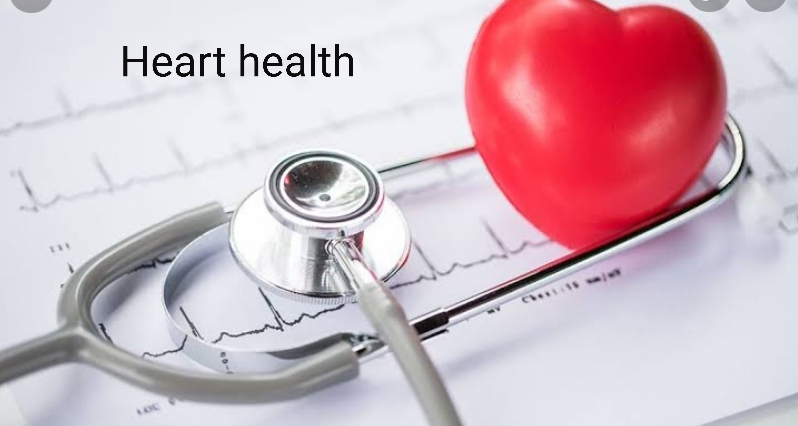
I AM TALK ABOUT HEART HEALTH
The heart beats about 2.5 billion times over the average lifetime, pushing millions of gallons of blood to every part of the body. This steady flow carries with it oxygen, fuel, hormones, other compounds, and a host of essential cells. It also whisks away the waste products of metabolism. When the heart stops, essential functions fail, some almost instantly.
Given the heart’s never-ending workload, it’s a wonder it performs so well, for so long, for so many people. But it can also fail, brought down by a poor diet and lack of exercise, smoking, infection, unlucky genes, and more.
A key problem is atherosclerosis. This is the accumulation of pockets of cholesterol-rich gunk inside the arteries. These pockets, called plaque, can limit blood flow through arteries that nourish the heart — the coronary arteries — and other arteries throughout the body. When a plaque breaks apart, it can cause a heart attack or stroke.
Although many people develop some form of cardiovascular disease (a catch-all term for all of the diseases affecting the heart and blood vessels) as they get older, it isn’t inevitable. A healthy lifestyle, especially when started at a young age, goes a long way to preventing cardiovascular disease. Lifestyle changes and medications can nip heart-harming trends, like high blood pressure or high cholesterol, in the bud before they cause damage. And a variety of medications, operations, and devices can help support the heart if damage occurs.
SYMPTOMS OF HEART HEALTH:-
1. Chest Discomfort
It’s the most common sign of heart danger. If you have a blocked artery or are having a heart attack, you may feel pain, tightness, or pressure in your chest.
“Everyone has a different word for that feeling,” Chambers says. “Some people say it’s like an elephant is sitting on them. Other people say it’s like a pinching or burning.”
The feeling usually lasts longer than a few minutes. It may happen when you’re at rest or when you’re doing something physical.
If it’s just a very brief pain — or if it’s a spot that hurts more when you touch or push on it — it’s probably not your heart, Chambers says. You should still get it checked out by a doctor. If the symptoms are more severe and don’t go away after a few minutes, you should call 911.
Also, keep in mind you can have heart problems — even a heart attack — without chest pain. That’s particularly common among women.
2. Nausea, Indigestion, Heartburn, or Stomach Pain
Some people have these symptoms during a heart attack. They may even vomit, Chambers says.
Women are more likely to report this type of symptom than men are.
Of course, you can have an upset stomach for many reasons that have nothing to do with your heart. It could just be something you ate, after all. But you need to be aware that it can also happen during a heart attack.
So if you feel this way and you’re at risk for heart problems, let a doctor find out what’s going on, especially if you also have any of the other symptoms on this list.
3. Pain that Spreads to the Arm
Another classic heart attack symptom is pain that radiates down the left side of the body.
“It almost always starts from the chest and moves outward,” Chambers says. “But I have had some patients who have mainly arm pain that turned out to be heart attacks.”
4. You Feel Dizzy or Lightheaded
A lot of things can make you lose your balance or feel faint for a moment. Maybe you didn’t have enough to eat or drink, or you stood up too fast.
But if you suddenly feel unsteady and you also have chest discomfort or shortness of breath, call a doctor right away.
“It could mean your blood pressure has dropped because your heart isn’t able to pump the way it should,” Bufalino says.
5. Throat or Jaw Pain
By itself, throat or jaw pain probably isn’t heart related. More likely, it’s caused by a muscular issue, a cold, or a sinus problem.
But if you have pain or pressure in the center of your chest that spreads up into your throat or jaw, it could be a sign of a heart attack. Call 911 and seek medical attention to make sure everything is all right.
6. You Get Exhausted Easily
If you suddenly feel fatigued or winded after doing something you had no problem doing in the past — like climbing the stairs or carrying groceries from the car — make an appointment with your doctor right away.
“These types of significant changes are more important to us than every little ache and pain you might be feeling,” Bufalino says.
Extreme exhaustion or unexplained weakness, sometimes for days at a time, can be a symptom of heart disease, especially for women.
7. Snoring
It’s normal to snore a little while you snooze. But unusually loud snoring that sounds like a gasping or choking can be a sign of sleep apnea. That’s when you stop breathing for brief moments several times at night while you are still sleeping. This puts extra stress on your heart.
Your doctor can check whether you need a sleep study to see if you have this condition. If you do, you may need a CPAP machine to smooth out your
to see if you have this condition. If you do, you may need a CPAP machine to smooth out your breathing while you sleep.
8. Sweating
Breaking out in a cold sweat for no obvious reason could signal a heart attack. If this happens along with any of these other symptoms, call 911 to get to a hospital right away. Don’t try to drive yourself.
9. A Cough That Won’t Quit
In most cases, this isn’t a sign of heart trouble. But if you have heart disease or know you’re at risk, pay special attention to the possibility.
If you have a long-lasting cough that produces a white or pink mucus, it could be a sign of heart failure. This happens when the heart can’t keep up with the body’s demands, causing blood to leak back into the lungs.
Ask your doctor to check on what’s causing your cough.
10. Your Legs, Feet, and Ankles Are Swollen
This could be a sign that your heart doesn’t pump blood as effectively as it should.
When the heart can’t pump fast enough, blood backs up in the veins and causes bloating.
Heart failure can also make it harder for the kidneys to remove extra water and sodium from the body, which can lead to bloating.
11. Irregular Heart Beat
It’s normal for your heart to race when you are nervous or excitedor to skip or add a beat once in a while.
But if you feel like your heart is beating out of time for more than just a few seconds, or if it happens often, tell your doctor.
“In most cases, it’s caused by something that’s easy to fix, like too much caffeine or not enough sleep,” Bufalino says. But occasionally, it could signal a condition called atrial fibrillation that needs treatment. So ask your doctor to check it out.
TREATMENT OF HEART HEALTH:-
The type of treatment you receive depends on the type of heart disease you have. In general, treatment for heart disease usually includes:
- Lifestyle changes. You can lower your risk of heart disease by eating a low-fat and low-sodium diet, getting at least 30 minutes of moderate exercise on most days of the week, quitting smoking, and limiting alcohol intake.
- Medications. If lifestyle changes alone aren’t enough, your doctor may prescribe medications to control your heart disease. The type of medication you receive will depend on the type of heart disease.
- Medical procedures or surgery. If medications aren’t enough, it’s possible your doctor will recommend specific procedures or surgery. The type of procedure or surgery will depend on the type of heart disease and the extent of the damage to your heart.
- The following changes can help anyone who wants to improve heart health:
- Stop smoking. Smoking is a major risk factor for heart disease, especially atherosclerosis. …
- Control your blood pressure. …
- Check your cholesterol. …
- Keep diabetes under control. …
- Exercise. …
- Eat healthy foods. …
- Maintain a healthy weight. …
- Manage stress.
- heart exercises
-

THANK YOU.
Weight loss

I am talking about weight loss
Weight loss, in the context of medicine, health, or physical fitness, refers to a reduction of the total body mass, by a mean loss of fluid, body fat (adipose tissue), or lean mass (namely bone mineral deposits, muscle, tendon, and other connective tissue). Weight loss can either occur unintentionally because of malnourishment or an underlying disease, or from a conscious effort to improve an actual or perceived overweight or obese state. “Unexplained” weight loss that is not caused by reduction in calorific intake or exercise is called cachexia and may be a symptom of a serious medical condition. Intentional weight loss is commonly referred to as slimming.
It’s natural for anyone trying to lose weight to want to lose it very quickly. But people who lose weight gradually and steadily (about 1 to 2 pounds per week) are more successful at keeping weight off. Healthy weight loss isn’t just about a “diet” or “program”. It’s about an ongoing lifestyle that includes long-term changes in daily eating and exercise habits.
Once you’ve achieved a healthy weight, rely on healthy eating and physical activity to help you keep the weight off over the long term.
Losing weight is not easy, and it takes commitment. But if you’re ready to get started, we’ve got a step-by-step guide to help get you on the road to weight loss and better health.
- Do not skip breakfast. Skipping breakfast will not help you lose weight. …
- Eat regular meals. …
- Eat plenty of fruit and veg. …
- Get more active. …
- Drink plenty of water. …
- Eat high fibre foods. …
- Read food labels. …
Lose weight in 7 days at home
- Set a realistic goal: Set an achievable goal and strive to achieve it rather than setting an unrealistic goal and fretting about it. …
- Create a list of eating habits: Reflect on your eating habits. …
- Create an exercise plan for seven days: Only dieting will get you nowhere
- Use a smaller plate.
The 8 Best Exercises for Weight Loss
- Walking. Walking is one of the best exercises for weight loss — and for good reason. …
- Jogging or running. Jogging and running are great exercises to help you lose weight. …
- Cycling. …
- Weight training. …
- Interval training. …
- Swimming. …
- Yoga. …
- Pilates.
- Medicine for weight loss
- Garcinia and Green coffee
- Thank u
Headache

” I AM TALK ABOUT HEADACHE ”
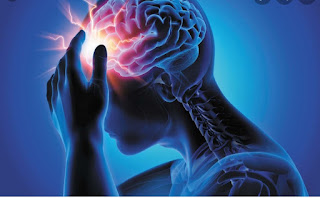
Headache is defined as pain arising from the head or upper neck of the body. The pain originates from the tissues and structures that surround the skull or the brain because the brain itself has no nerves that give rise to the sensation of pain (pain fibers).
Narrowly defined, headache is pain in the head or face, and sometimes also includes pain in the upper neck. Pain sensitive structures in the head and face include the skin, bone and structures in the eyes, ears, nose and mouth.
Once released, they travel to the outer layer of your brain–the meninges–which results in inflammation and swelling of blood vessels, causing an increase in blood flow around the brain. This is likely the cause of the throbbing, pulsing pain most people experience during migraine.
The thin layer of tissue (periosteum) that surrounds bones, muscles that encase the skull, sinuses, eyes, and ears, as well as thin tissues that cover the surface of the brain and spinal cord (meninges), arteries, veins, and nerves, all can become inflamed or irritated and cause a headache. The pain may be a dull ache, sharp, throbbing, constant, intermittent, mild, or intense.
How are headaches classified?
In 2013, the International Headache Society released its latest classification system for headache. Because so many people suffer from headaches, and because treatment is difficult sometimes, the Headache Society hoped that the new classification system would help health care professionals make a more specific diagnosis as to the type of headache a patient has, and allow better and more effective options for treatment.
The guidelines are extensive, and the Headache Society recommends that health care professionals consult the guidelines frequently to make certain of the diagnosis.
There are three major categories of headache based upon the source of the pain.
- Primary headaches
- Secondary headaches
- Cranial neuralgias, facial pain, and other headaches
The guidelines also note that a patient may have symptoms that are consistent with more than one type of headache, and that more than one type of headache may be present at the same time.
What are primary headaches?

Migraine headaches are the second most common type of primary headache.
Primary headaches include migraine, tension, and cluster headaches, as well as a variety of other less common types of headaches.
- Tension headaches are the most common type of primary headache. Tension headaches occur more commonly among women than men. According to the World Health Organization, 1 in 20 people in the developed world suffer with a daily tension headache.
- Migraine headaches are the second most common type of primary headache. Migraine headaches affect children as well as adults. Before puberty, boys and girls are affected equally by migraine headaches, but after puberty, more women than men are affected.
- Cluster headaches are a rare type of primary headache. It more commonly affects men in their late 20s, though women and children can also suffer from this type of headache.
Primary headaches can affect the quality of life. Some people have occasional headaches that resolve quickly while others are debilitating. While these headaches are not life-threatening, they may be associated with symptoms that can mimic strokes.
Many patients equate severe headache with migraine, but the amount of pain does not determine the diagnosis of migraine. Read our Migraine Headache article for more information about the symptoms, causes, and treatment of migraines.
What are secondary headaches?
Secondary headaches are those that are due to an underlying structural or infectious problem in the head or neck. This is a very broad group of medical conditions ranging from dental pain from infected teeth or pain from an infected sinus, to life-threatening conditions like bleeding in the brain or infections like encephalitis or meningitis.
Traumatic headaches fall into this category including post-concussion headaches.
This group of headaches also includes those headaches associated with substance abuse and excess use of medications used to treat headaches (medication overuse headaches). “Hangover” headaches fall into this category as well. People who drink too much alcohol may waken with a well-established headache due to the effects of alcohol and dehydration.
What are cranial neuralgias, facial pain, and other headaches?
Neuralgia means nerve pain (neur=nerve + algia=pain). Cranial neuralgia describes inflammation of one of the 12 cranial nerves coming from the brain that control the muscles and carry sensory signals (such as pain) to and from the head and neck. Perhaps the most commonly recognized example is trigeminal neuralgia, which affects cranial nerve V (the trigeminal nerve), the sensory nerve that supplies the face and can cause intense facial pain when irritated or inflamed.
17 types of headaches
The different types of headaches depend upon the class to which they belong. Some common types include:
- Primary tension headaches that are episodic
- Primary tension headaches that are chromic
- Primary muscle contraction headaches
- Primary migraine headaches with aura
- Primary migraine headaches without aura
- Primary cluster headache
- Primary paroxysmal hemicrania (a type of cluster headache)
- Primary cough headache
- Primary stabbing headache
- Primary headache associated with sexual intercourse
- Primary thunderclap headache
- Hypnic headache (headaches that awaken a person from sleep)
- Hemicrania continua (headaches that are persistently on one side only, right or left [unilateral])
- New daily-persistent headache (NDPH) (a type of chronic headache)
- Headache from exertion
- Trigeminal neuralgia and other cranial nerve inflammation
- Thank u
 Site Title